Cost of Learning to Sail: A Complete Beginner's Guide
Key Takeaways
- The cost of learning to sail varies depending on the type of lessons, location, instructor experience, and certification goals.
- Most beginners can start learning to sail without owning a sailboat.
- Introductory sailing lessons are an affordable way to discover whether sailing is right for you.
- Professional instruction helps you build safe habits and become a confident sailor more quickly.
- Additional costs, such as sailing shoes, gloves, and weather-appropriate clothing, are relatively modest for most beginners.
- Joining a sailing club or membership program can make practicing more affordable over time.
- Learning to sail is an investment in a lifelong skill that offers recreation, travel opportunities, and lasting memories.
- St. Augustine Sailing makes learning accessible through experienced instructors, structured lessons, and a welcoming sailing community.
If you’ve ever watched sailboats gliding across the water and wondered what it would take to learn, you’re not alone. One of the first questions most beginners ask is, “How much does it cost to learn to sail?”
The answer isn’t as simple as a single price tag. The cost of learning to sail depends on several factors, including where you take lessons, the type of instruction you choose, whether you pursue certification, and how quickly you want to progress. The good news is that learning to sail is often much more affordable than many people expect.
One of the biggest misconceptions about sailing is that you need to own an expensive boat before you can even begin. In reality, reputable sailing schools provide everything you need to get started, including the sailboat, safety equipment, and professional instruction. For many students, the only investment required is enrolling in their first lesson.
Whether you’re dreaming of sailing for recreation, planning future vacations on the water, or hoping to earn certifications that allow you to charter boats around the world, understanding the costs ahead of time will help you plan your journey with confidence.
In this guide, we’ll break down the expenses associated with learning to sail, explain what influences those costs, and share practical tips for getting started without spending more than necessary.
What Determines the Cost of Learning to Sail?
No two sailing schools are exactly alike, which means the price of lessons can vary significantly. Understanding what you’re paying for helps you compare programs and choose one that matches your goals.
One of the biggest factors affecting the cost is the type of instruction you choose.
Private sailing lessons offer one-on-one coaching and personalized instruction. Because the instructor’s attention is focused entirely on you or your group, private lessons typically cost more than group classes. However, many students appreciate the flexibility and faster learning pace they provide.
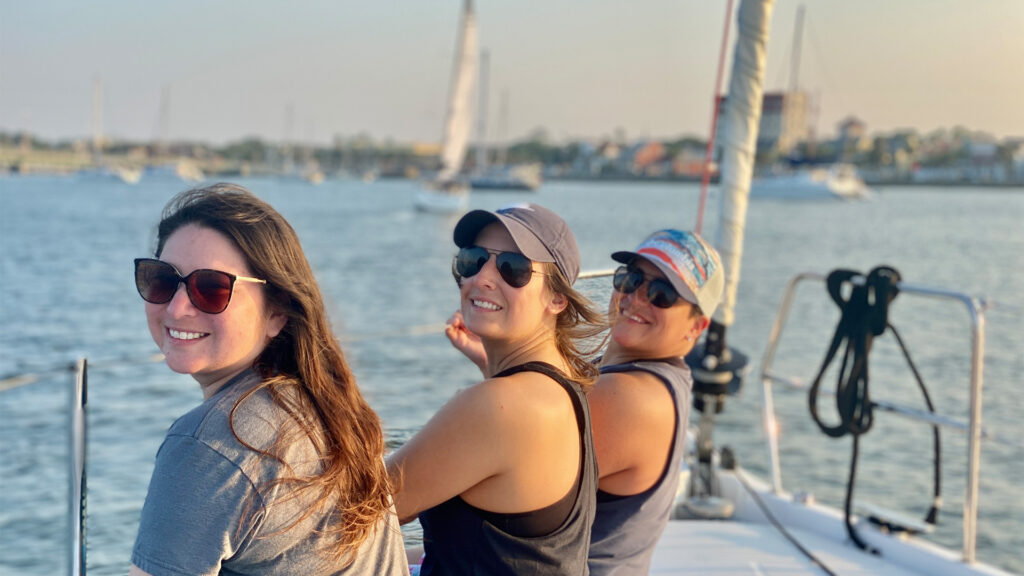
Group lessons generally cost less per person and create an enjoyable learning environment where students can practice together. Many beginners find that learning alongside others helps build confidence while reducing the overall cost.
Some sailing schools also offer introductory experiences designed specifically for first-time sailors. These shorter sessions provide an affordable way to experience sailing before committing to a full course.
Instructor Experience
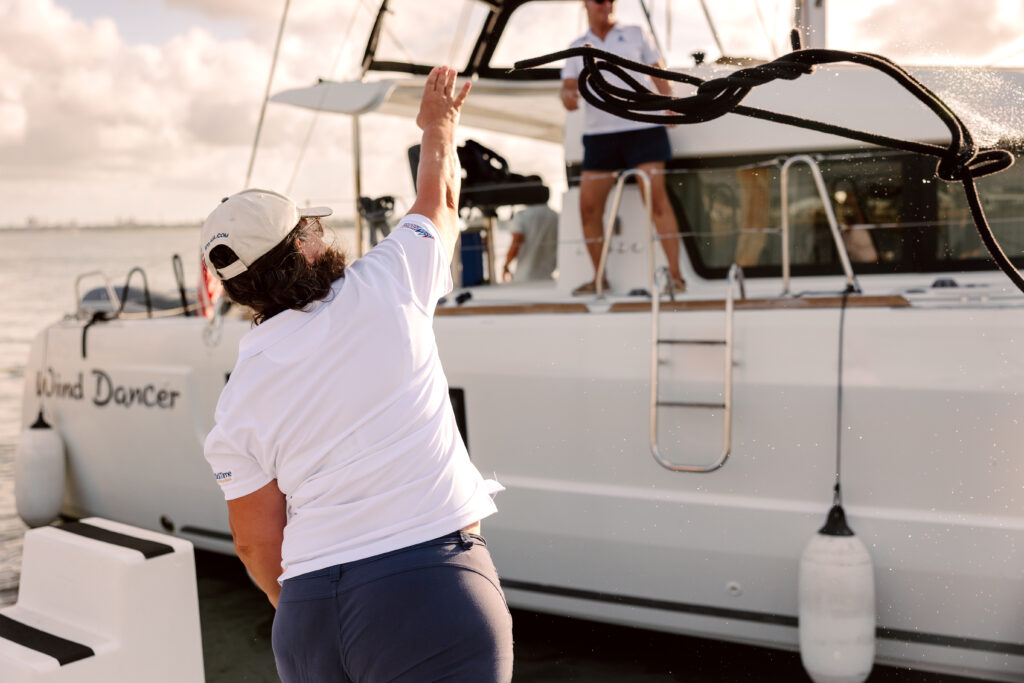
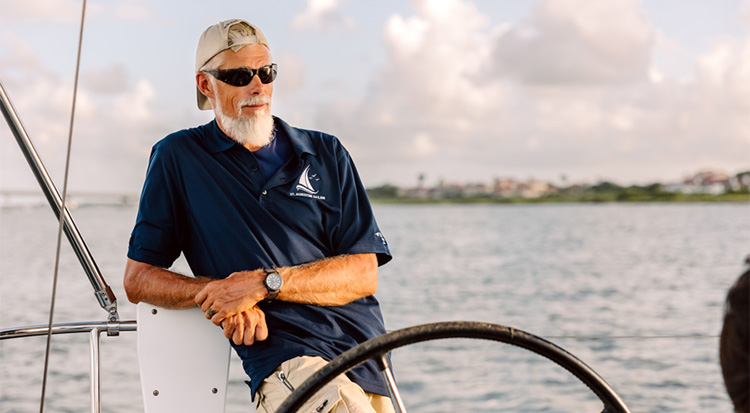
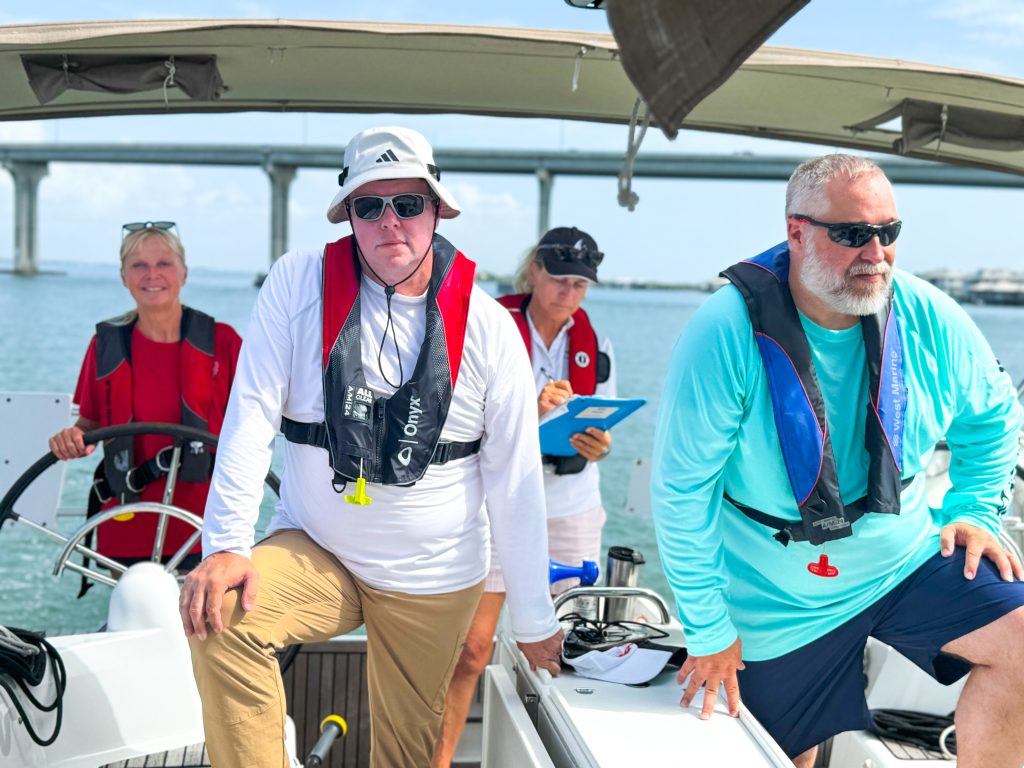
Professional instructors bring years of sailing knowledge, safety training, and teaching experience to every lesson.
An experienced instructor doesn’t simply teach you how to steer a boat. They help you understand wind, weather, navigation, safety procedures, sail trim, docking, and decision-making on the water. Their guidance often helps students avoid mistakes that could otherwise take months to correct.
While schools with highly qualified instructors may charge slightly more, many students find the added value well worth the investment.
Course Length
Learning to sail isn’t a one-size-fits-all experience.
Some people want a short introduction during a vacation, while others are working toward becoming confident skippers capable of handling larger sailboats independently.
Short introductory lessons naturally cost less than multi-day certification courses that cover advanced boat handling, navigation, anchoring, emergency procedures, and overnight cruising.
When comparing programs, it’s important to look beyond the total price and consider how many hours of instruction are included.
Location
Where you learn to sail can influence much more than the price of your lessons. The sailing environment itself can become an important part of your education.
Learning on a lake or in consistently protected waters can provide an excellent introduction to sailing. These environments allow beginners to concentrate on fundamental skills such as steering, points of sail, tacking, jibing, sail trim, and crew communication.
However, if your long-term goals include coastal cruising, chartering, or eventually owning and operating your own sailboat, learning in a location that offers a variety of real-world conditions can add tremendous value to your training.
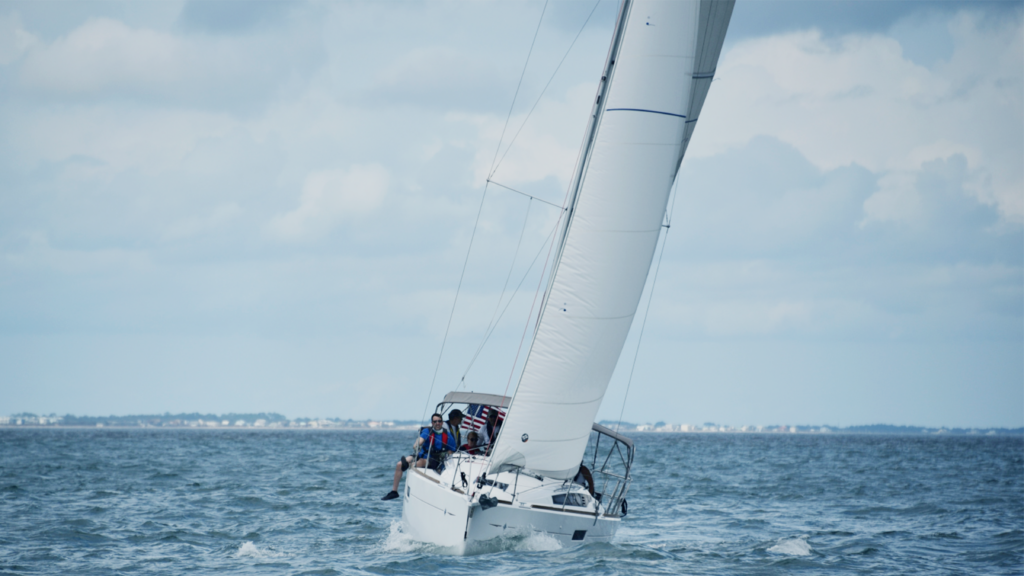
Coastal sailing introduces elements you may not experience on an inland lake. Tides rise and fall. Currents change direction and speed. Wind conditions can vary throughout the day. Channels, bridges, shoaling, commercial traffic, navigation markers, and changing water depths all become part of operating the vessel safely.
These conditions teach you something beyond simply how to sail the boat; they teach you how to think like a sailor.
For example, learning in tidal waters helps you understand how the current can affect your course over the ground, your speed, your approach to a dock, and even when you may want to depart or return. You begin asking practical questions: What is the tide doing? Which direction is the current flowing? How will the wind and current interact? How will those conditions affect our course or docking approach?
Instead of only reading about these concepts in a textbook or in an online course, you have the opportunity to experience them firsthand.

From Protected Waters to Coastal Waters and Open Ocean
A location that provides access to several different sailing environments can be especially valuable because your experiences can progress along with your abilities.
You may begin in protected waters, where conditions are appropriate for concentrating on fundamental sailing and boat-handling skills.
As your confidence grows, sailing along the Intracoastal Waterway and other coastal waterways can introduce navigation, tides, currents, changing depths, channel markers, bridges, shoaling, and interaction with other recreational and commercial vessels.
Eventually, sailing into the open ocean introduces another set of considerations. Ocean swell, waves, wind against current, changing weather, and conditions at an inlet can affect how the boat handles and the decisions a skipper makes.
Each environment provides a different classroom.
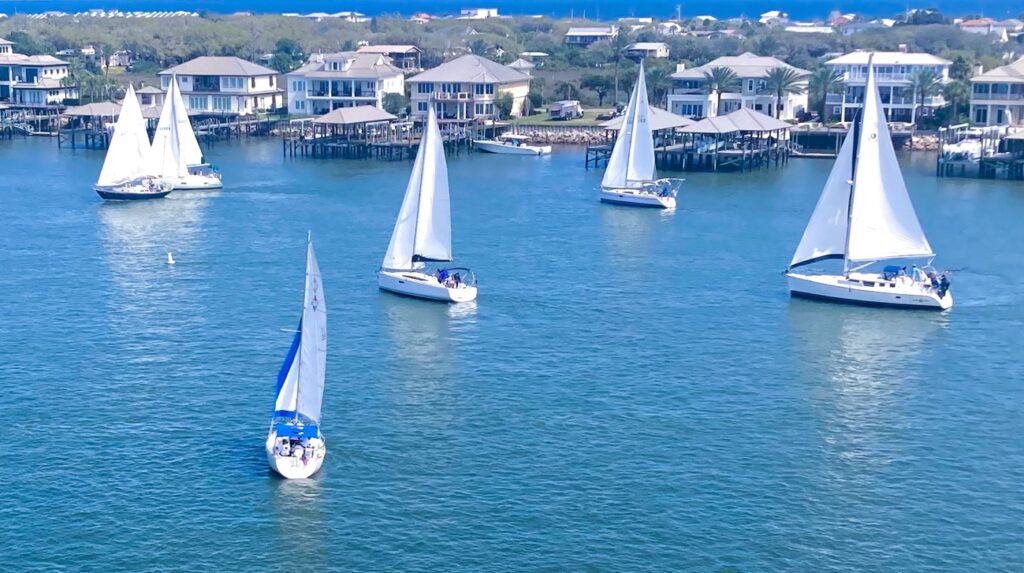
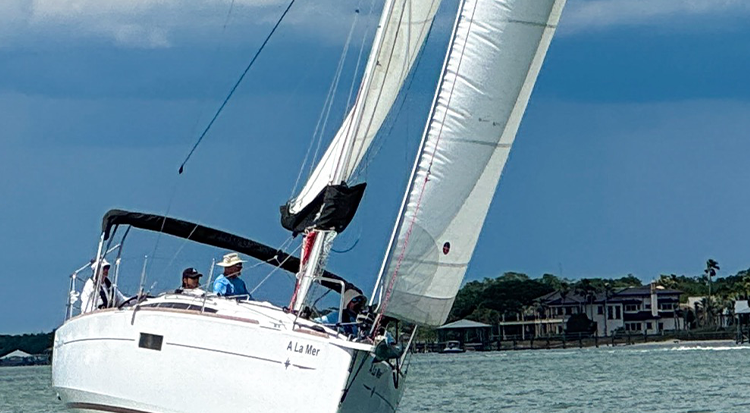
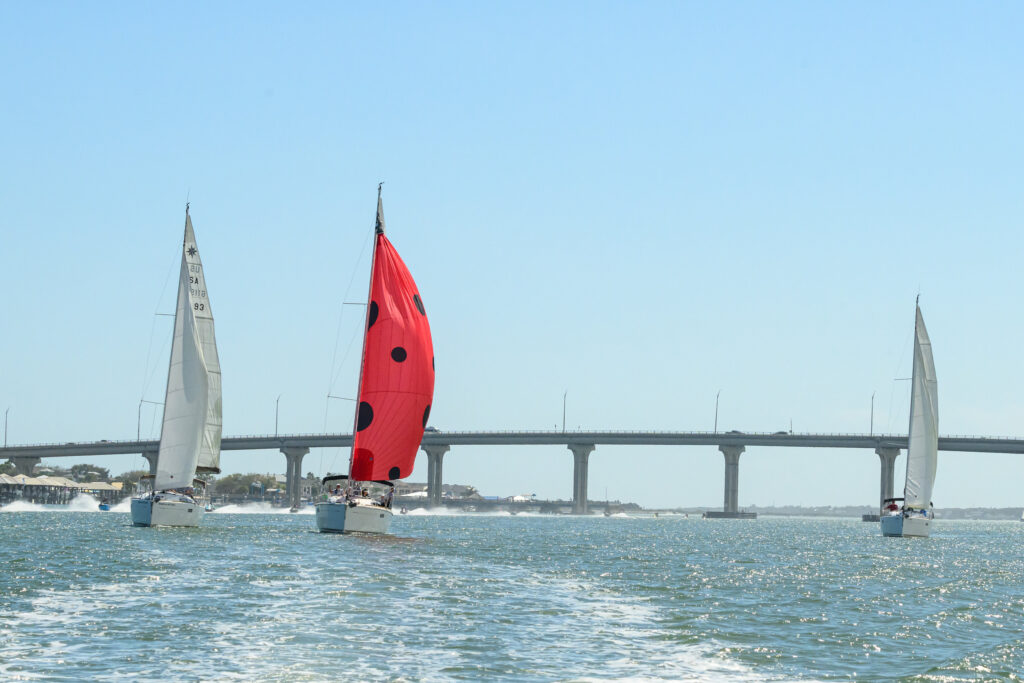
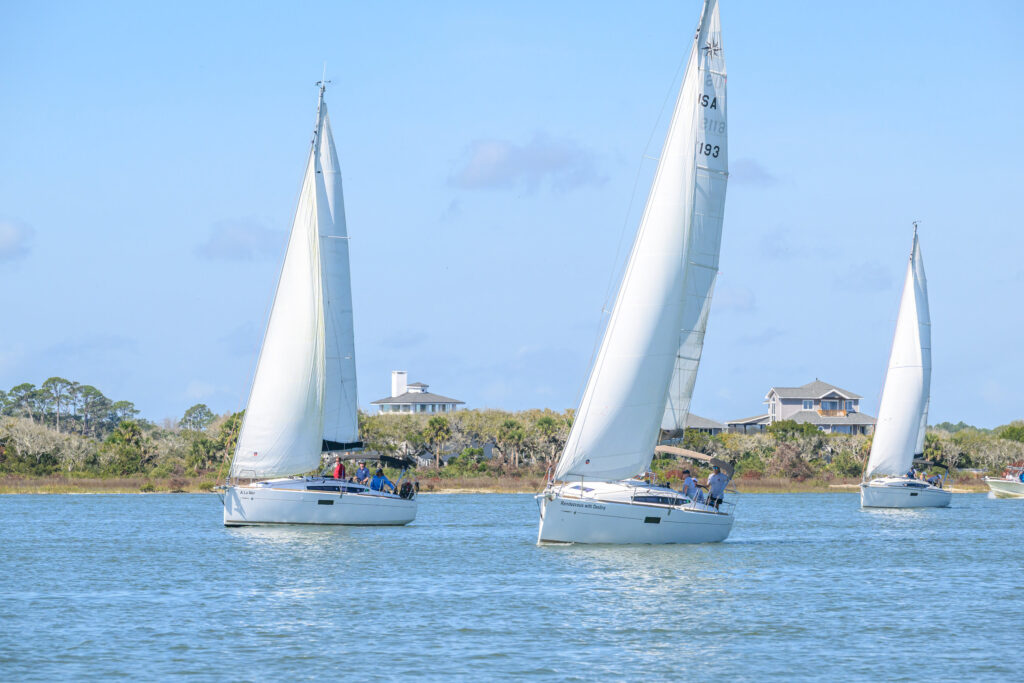
St. Augustine, Florida offers this type of diverse learning environment. Its location provides access to protected waters, the Intracoastal Waterway, tidal rivers and waterways, the St. Augustine Inlet, coastal waters, and the Atlantic Ocean.
That variety can allow sailors to experience how the skills they are learning apply as conditions and environments change.
Typical Costs of Sailing Lessons
Although prices vary across the country, most beginner sailing programs fall into several common categories.
Introductory Sailing Lessons
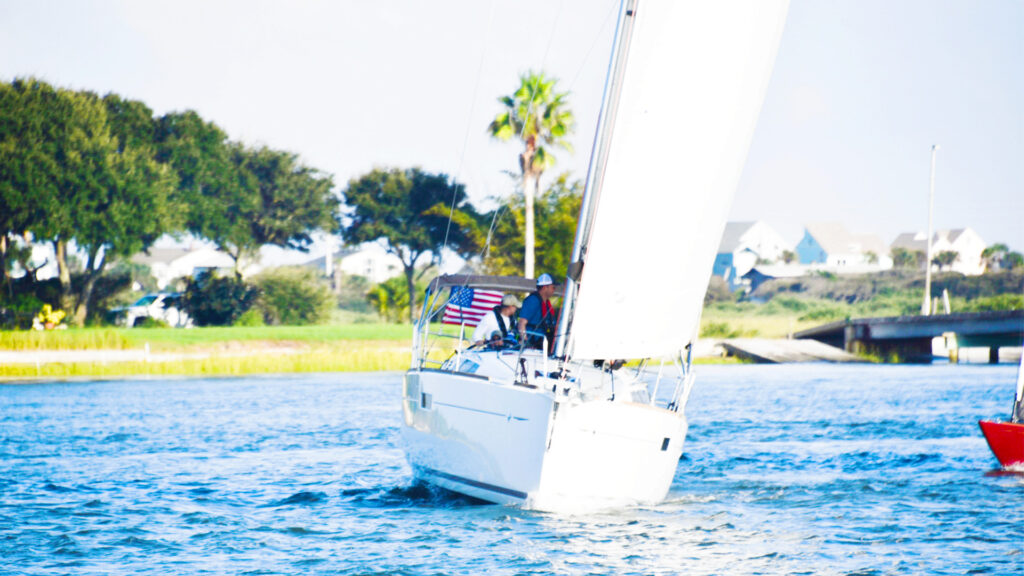
Introductory lessons are designed for people with little or no sailing experience.
These sessions usually last a few hours and provide hands-on experience aboard a sailboat while introducing basic sailing concepts such as:
- Points of sail
- Steering
- Sail controls
- Basic terminology
- Wind awareness
- Safety procedures
For many people, an introductory lesson answers an important question: Do I enjoy sailing enough to continue learning?
Because these courses require only a small time commitment, they’re often the most affordable entry point into sailing.
Beginner Sailing Courses
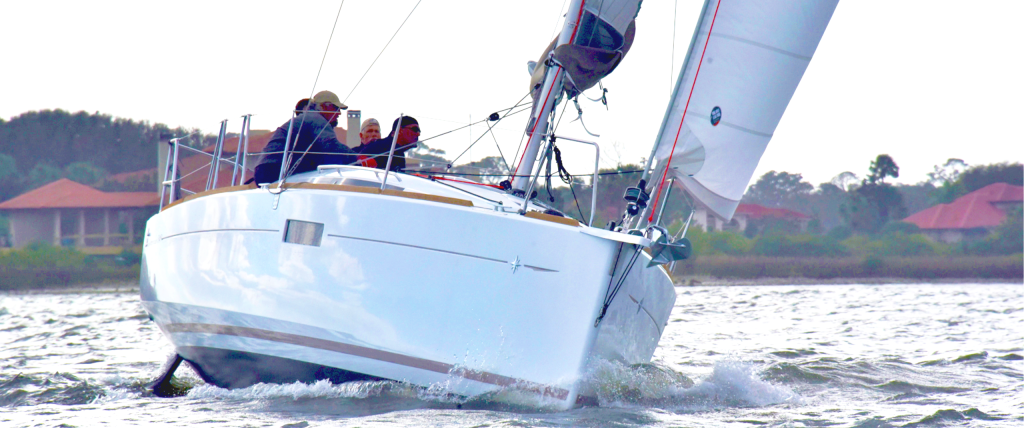
Once you’ve decided you enjoy sailing, a beginner sailing course provides a much deeper understanding of how a sailboat operates and gives you the opportunity to begin developing your skills through hands-on practice.
For example, ASA 101 – Basic Keelboat Sailing is designed to introduce new sailors to the fundamentals of sailing and help build a foundation for continued learning.
You’ll learn how to:
- Identify basic sailboat parts, equipment, and sailing terminology
- Understand wind direction and the different points of sail
- Prepare and rig a sailboat for sailing
- Perform basic pre-departure and safety checks
- Properly use the helm and understand how the boat responds
- Trim and adjust the sails for different points of sail
- Tack and jibe while maintaining control of the boat
- Communicate effectively with your crew during sailing maneuvers
- Understand right-of-way concepts and basic Rules of the Road
- Recognize basic navigation aids and their importance
- Understand the effects of wind and weather on your sailing
- Perform basic crew-overboard recovery procedures
- Approach and depart from a dock under appropriate conditions
- Secure the boat properly after returning to the dock
- Tie and understand the uses of essential sailing knots
- Develop safe and responsible habits while aboard a sailboat
An ASA 101 course combines sailing knowledge with practical, hands-on experience. Rather than simply learning terminology from a book, you’ll begin applying what you learn aboard the boat—steering, handling sails, communicating with your crew, and responding to changing conditions.
By the end of a quality beginner sailing course, the goal isn’t simply to have completed a class. It’s to have developed a solid foundation of knowledge and practical skills that you can continue building upon as you gain more time on the water.
Certification Programs
Many sailing schools offer certification programs that follow nationally recognized training standards.
These structured courses provide a step-by-step learning path that allows students to develop confidence while documenting their sailing experience.
Certification often becomes valuable for sailors who eventually want to:
- Charter sailboats while traveling
- Join sailing clubs
- Continue into advanced cruising courses
- Demonstrate their sailing knowledge
While certification programs require a larger investment than introductory lessons, they also provide comprehensive training that many recreational sailors find worthwhile.
Do You Need to Buy a Boat?
One of the biggest myths surrounding sailing is that you need to purchase a boat before taking lessons.
Fortunately, that’s simply not true.
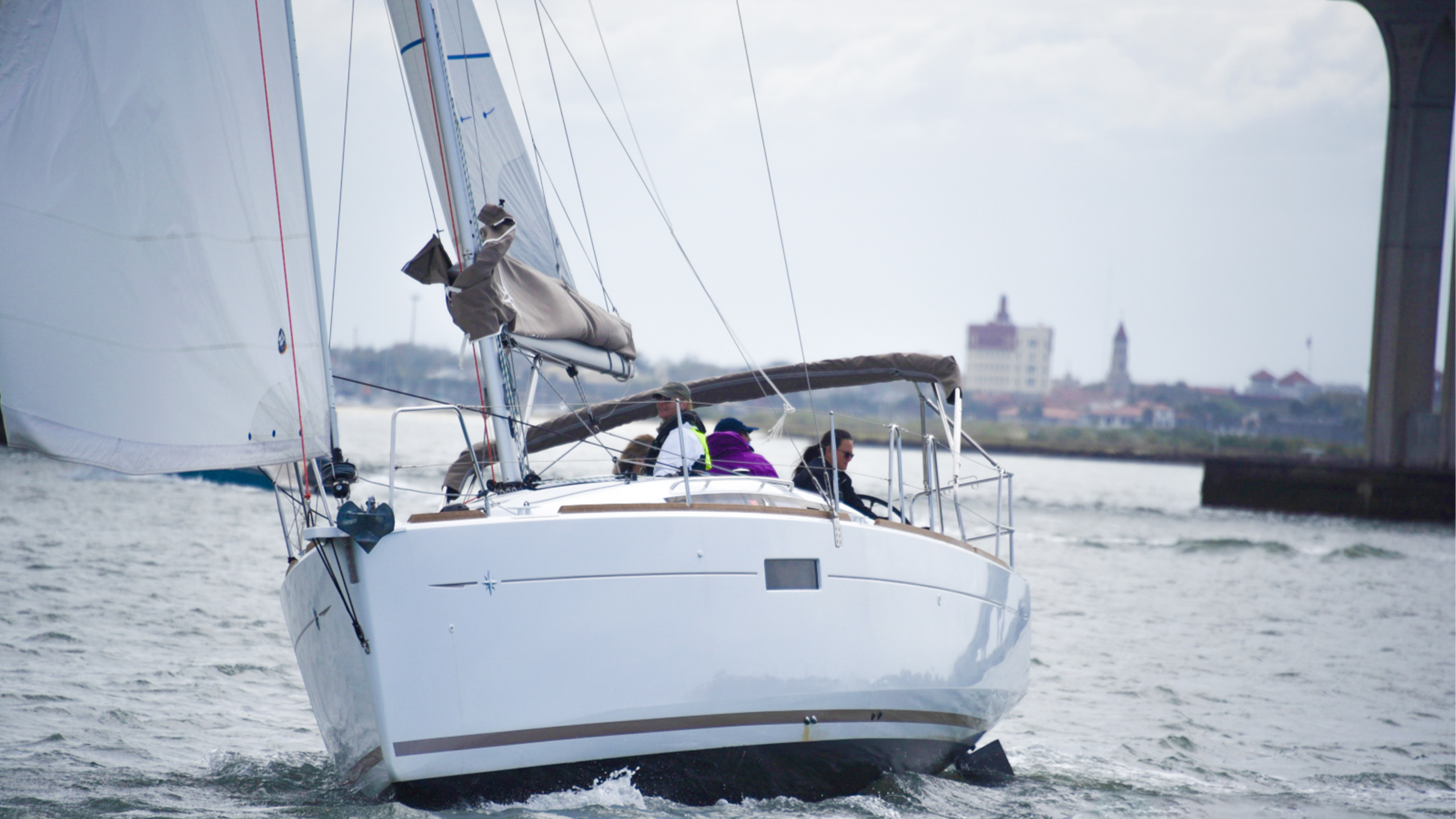
Professional sailing schools provide well-maintained training boats specifically selected for teaching beginners. Students learn aboard these boats under the supervision of qualified instructors, allowing them to focus entirely on developing their skills instead of worrying about boat ownership.
In fact, many experienced sailors recommend waiting before purchasing your first boat.
Learning first allows you to discover:
- What size sailboat you enjoy sailing
- Whether you prefer day sailing or cruising
- Which features matter most to you
- How much maintenance you’re comfortable handling
- What type of sailing fits your lifestyle
Buying too early can lead to expensive mistakes, especially if you later realize a different style of boat better matches your goals.
Many sailors spend years enjoying sailing through lessons, club memberships, racing crews, or charter programs before ever becoming boat owners.
For beginners, this approach often saves thousands of dollars while providing a broader range of sailing experiences.
Additional Costs to Consider
While sailing lessons represent the largest expense for most beginners, there are a few additional costs worth planning for.
Fortunately, many of these items are one-time purchases that last for years.
Comfortable Footwear
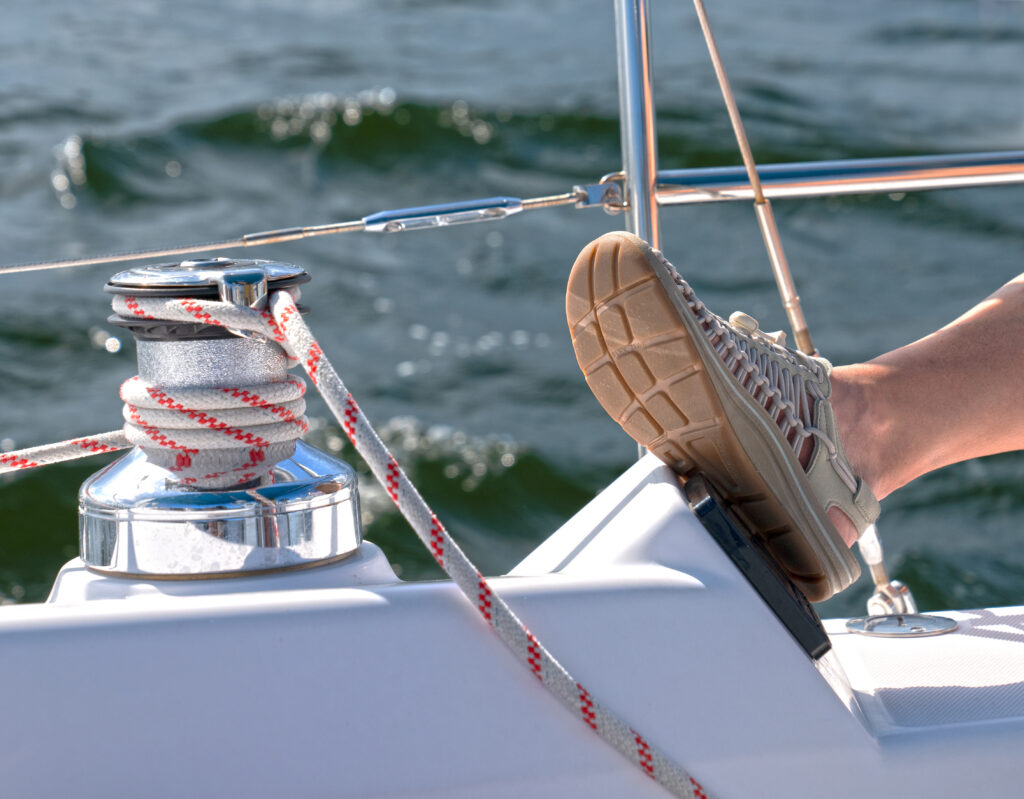
One of the first investments many new sailors make is a pair of non-marking boat shoes or athletic shoes with good grip.
These shoes help prevent slipping on wet decks while protecting the boat from scuff marks.
Many beginners already own suitable athletic shoes, making this expense minimal.
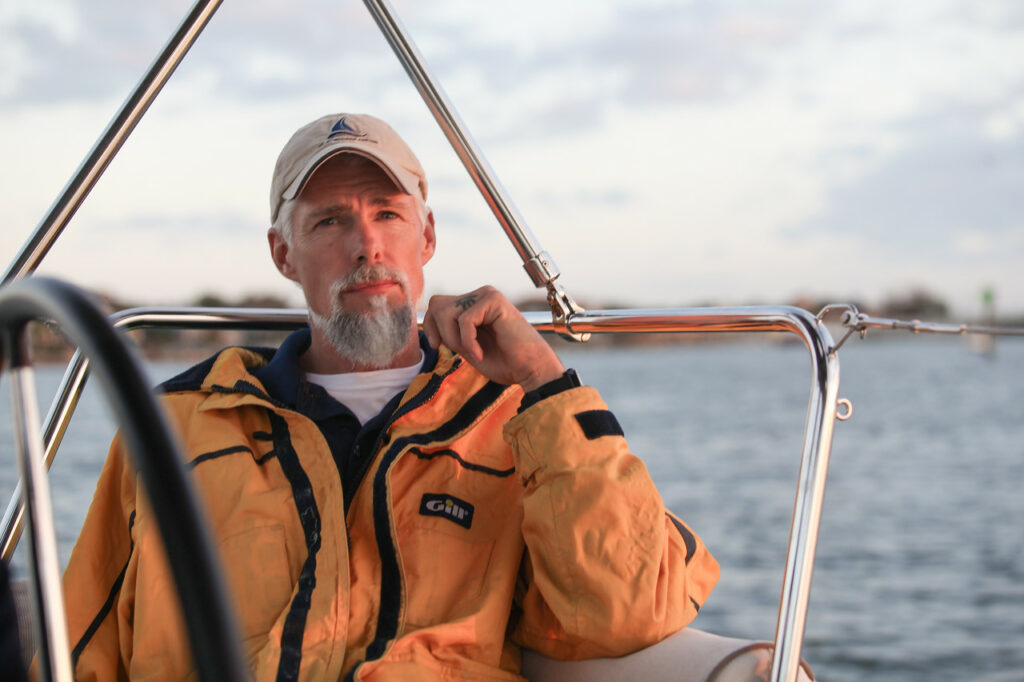
Appropriate Clothing
Sailing doesn’t require expensive specialized clothing to get started.
Most instructors recommend:
- Comfortable shorts or lightweight pants
- Moisture-wicking shirts
- A light rain jacket
- Sunglasses with a retaining strap
- A hat for sun protection
- Sunscreen
As you gain experience, you may eventually invest in technical sailing gear, but it’s rarely necessary for your first lessons.
Safety Equipment
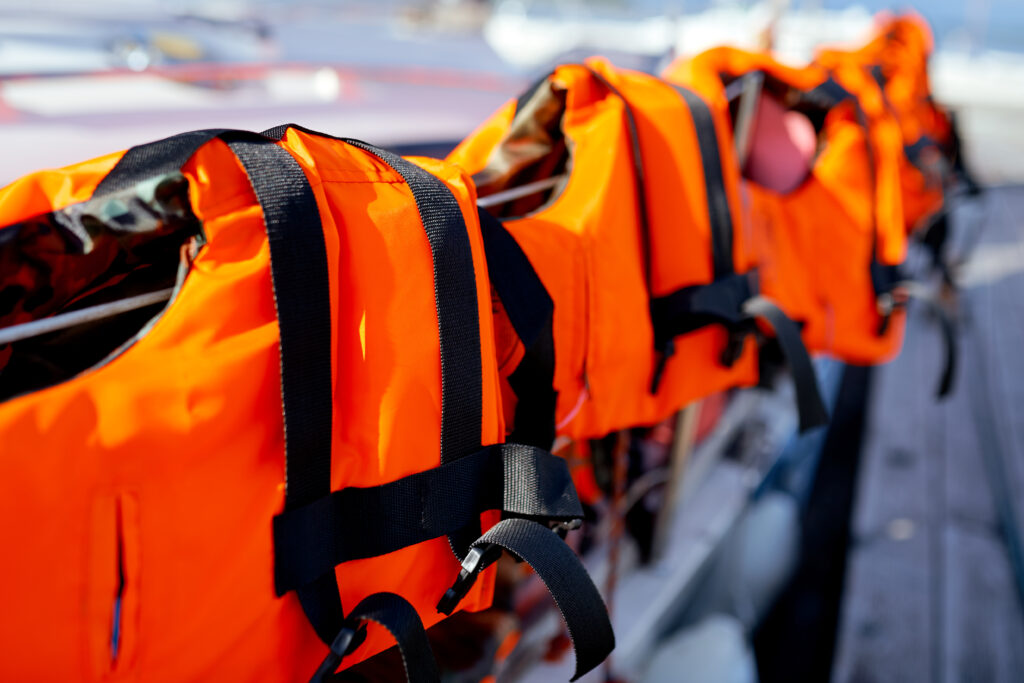
Most sailing schools provide all required safety equipment, including U.S. Coast Guard-approved life jackets, as part of your lesson. This means you won’t need to purchase specialized safety gear before stepping aboard.
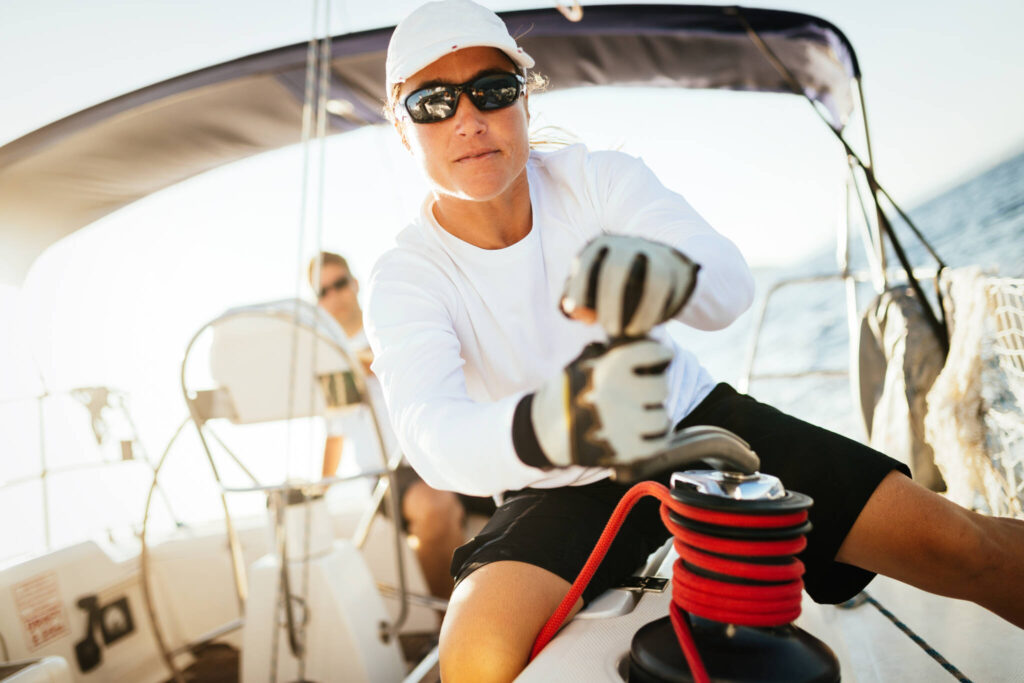
As you continue sailing regularly, you may decide to purchase your own personal flotation device (PFD), sailing gloves, or foul weather gear for added comfort. However, these purchases are optional for beginners and can be made gradually as your experience grows.
Certification Fees
If you decide to pursue sailing certifications, there may be additional costs beyond your course tuition.
These may include:
- Certification processing fees
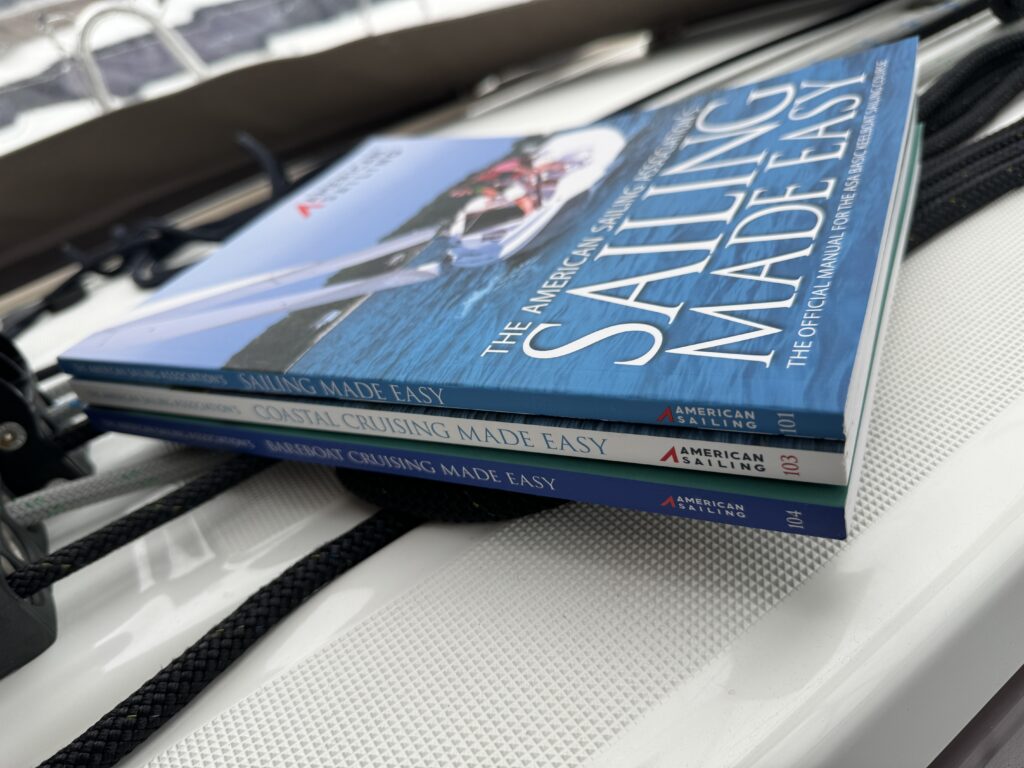
- Student materials or textbooks
- Logbooks
- Written or practical examinations
While these costs add to your overall investment, certifications can provide long-term value, particularly if you plan to charter sailboats, continue advanced training, or sail in new destinations.
Travel Expenses
If you’re fortunate enough to live near a sailing school, travel costs may be minimal. However, students traveling from other cities may want to budget for:
- Fuel or transportation
- Meals
- Lodging for multi-day courses
Many students combine sailing lessons with a weekend getaway, making the experience both educational and memorable.
Can You Learn to Sail Without Spending Thousands?
Absolutely.
One of the biggest misconceptions about sailing is that it’s a hobby reserved for people with expensive boats and unlimited budgets. While boat ownership certainly comes with costs, learning to sail doesn’t have to.
There are several ways to build your sailing skills while keeping expenses manageable.
Start with an Introductory Lesson
Rather than committing to an extensive course immediately, begin with an introductory sailing lesson.
These experiences give you a chance to:
- Experience sailing firsthand
- Meet instructors
- Learn basic terminology
- Decide whether you want to continue
It’s a low-risk, affordable way to explore the sport.
Choose Group Lessons
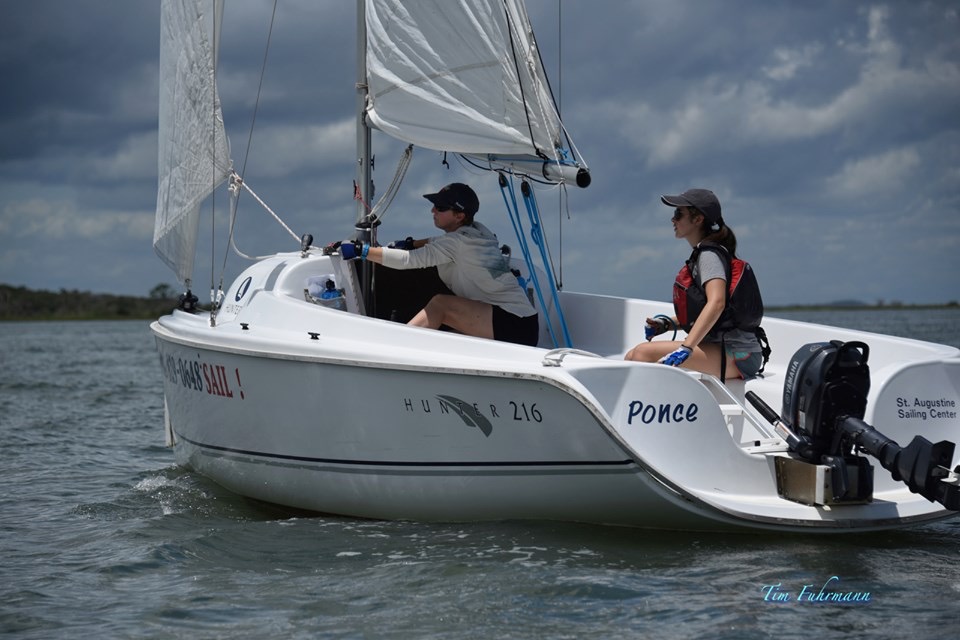
Group instruction is often one of the best values for new sailors.
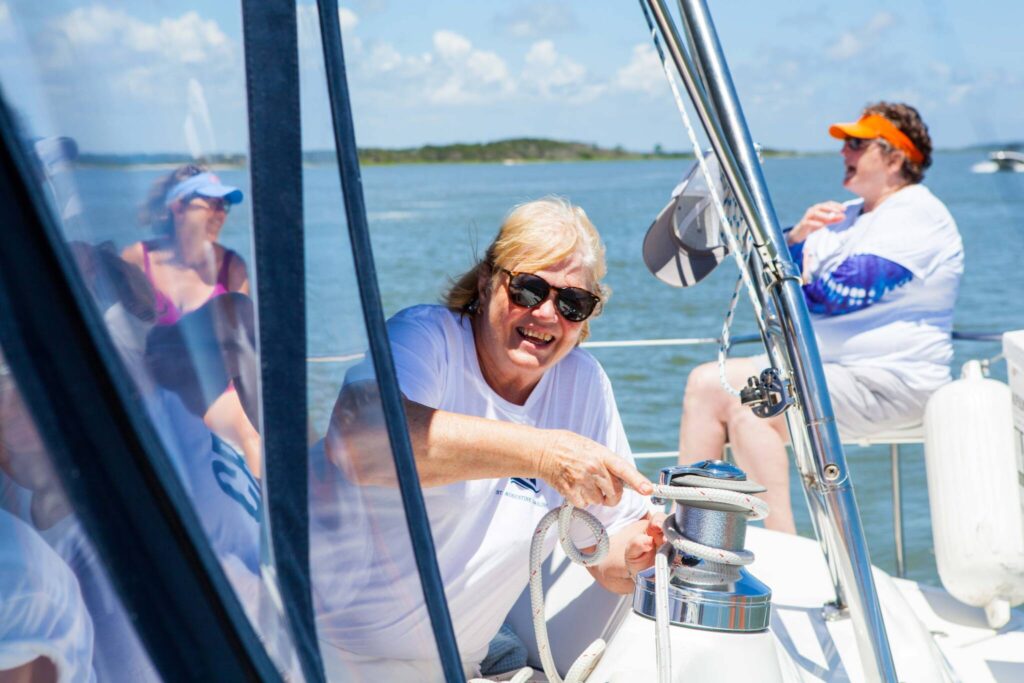
You’ll receive professional instruction while sharing the cost of the instructor and training vessel with other students. In addition, sailing is naturally a team activity, so learning alongside others can actually improve your communication and crew skills.
Practice Whenever You Can
Like any skill, sailing improves with practice.
After completing lessons, look for opportunities to spend more time on the water.
You might:
- Join a local sailing club
- Participate in club events
- Crew for local sailboat races
- Sail with friends or family
- Rent or charter boats as your experience grows
The more time you spend sailing, the more confidence you’ll develop—and the greater value you’ll receive from your original investment in lessons.
Consider a Membership Program
Some sailing schools offer membership programs that provide regular access to sailboats without the responsibilities of ownership.
For many sailors, this can be one of the most cost-effective ways to continue practicing while avoiding expenses like maintenance, insurance, storage, and repairs.
Instead of purchasing a boat right away, a membership allows you to enjoy sailing frequently while continuing to build your skills.
Is Learning to Sail Worth the Investment?
For most sailors, the answer is a resounding yes.
Unlike many hobbies that require continual spending, sailing is a skill you can enjoy for the rest of your life. The knowledge you gain through professional instruction opens doors to new experiences, vacations, friendships, and adventures that extend far beyond the classroom.
A Skill You'll Use for Life
Learning to sail isn’t simply about operating a boat.
It’s about understanding:
- Wind and weather
- Teamwork
- Problem-solving
- Navigation
- Decision-making
- Confidence under pressure
These are practical skills that stay with you long after your lessons are complete.
A New Way to Travel
Many sailors dream of exploring new destinations from the water.
Whether it’s chartering a sailboat in the Caribbean, cruising along the Florida coast, or enjoying peaceful afternoons on local waterways, sailing creates travel opportunities that few other hobbies can match.

Health and Well-Being
Spending time on the water has countless benefits.
Sailing encourages you to disconnect from screens, enjoy fresh air, stay active, and appreciate nature. Many sailors describe their time on the water as relaxing, restorative, and one of the best ways to reduce everyday stress.
A Welcoming Community
One of the greatest surprises for many beginners is discovering the sailing community.
Contrary to outdated stereotypes, modern sailing is remarkably welcoming. Sailing schools, yacht clubs, racing organizations, and community events provide opportunities to meet people who share your interest in learning and exploring the water.
Many lifelong friendships begin aboard a sailboat.
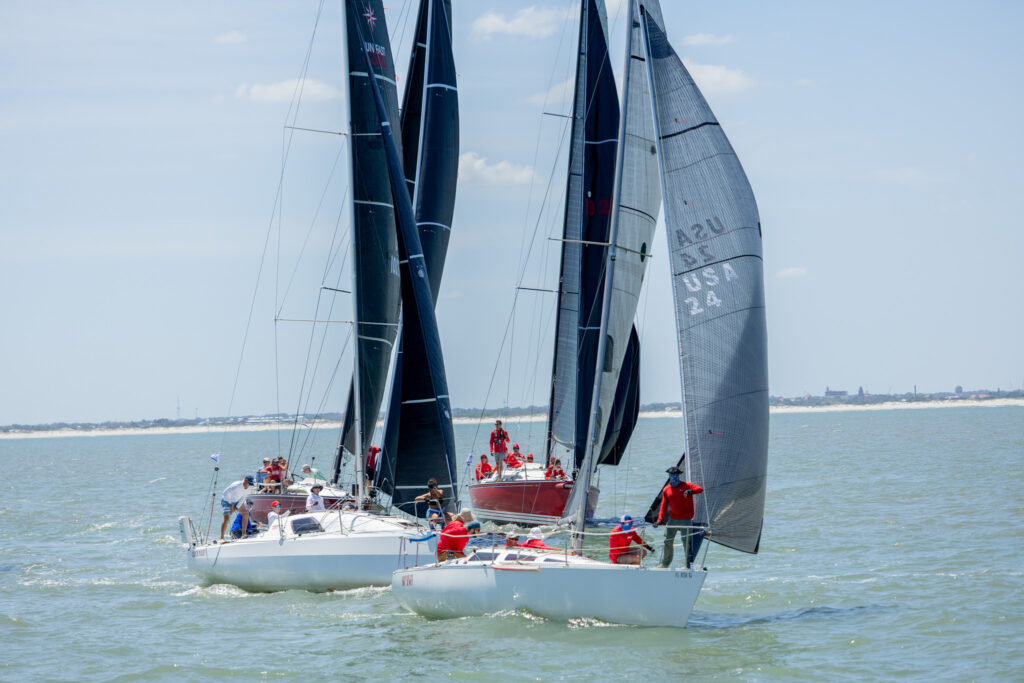
Why Professional Sailing Instruction Saves Money
At first glance, teaching yourself to sail may seem like the least expensive option.
However, many experienced sailors will tell you that professional instruction often saves money in the long run.
A qualified instructor helps you avoid common mistakes before they become habits. You’ll learn proper boat handling, sail trim, docking techniques, navigation, and safety procedures from the very beginning.
Without that foundation, beginners often spend additional time (and money) correcting mistakes later.
Professional instruction also reduces the risk of damaging equipment or creating unsafe situations on the water.
Instead of relying on trial and error, you’ll develop confidence through structured lessons that build progressively from basic skills to more advanced techniques.
Why Learn with St. Augustine Sailing?
Choosing the right sailing school is about more than comparing course prices or finding the closest place to take a class. You’re choosing the instructors, boats, learning enviroment, and community that will help shape the sailor you become. We invite you to come down to our docks and meet us, meet the instructors and see everything we offer before you make any decisions!
At St Augustine Sailing, our goat isn’t simply to help you complete a course or earn a certification. we want to help you develop the knowledge, practical skills, confidence, and judgment to continue sailing long after your class is over.
Learn by Doing
Sailing is a hands-on skill, and we believe one of the best ways to learn is by being actively involved aboard the boat.
Our instructors combine sailing knowledge with practical experience on teh water. You’ll have opportunities to take the helm, handle sails, practice maneuvers, communicate as a crew, and work through real situations with an experienced instructor there to guide you.
The goal isn’t simply to tell you what to do. We want you to begin understanding why you’re doing it so you can gradually develop the knowedge and confidence to make those decisions yourself.
Experienced Instructors Who Want You to Succeed
A great sailor isn’t automatically a great teacher.
Our instructors bring sailing knowledge and real-word experience to their courses, but equally important is their ability to work with students who have different experience levels, learning styles, and goals.
Some students arrive having never stepped aboard a sailboat. Others have sailed with friends or family for years but want formal training and cerification. Some are preparing to purchase their first boat, while others dream of chartering in the Caribbean, cruising with their family or simply becoming more confident on the water.
When you’re getting started, we want to understand where you’re hoping to go.
That allows your sailing education to become more than simply checking off the requirements of a course. Your instructor can help you understand how the skills you’re learning relate to your individual sailing goals.
Learn in a Real-World Sailing Enviroment
St. Augustine, Florida provides an exceptional enviroment for developing sailing skills.
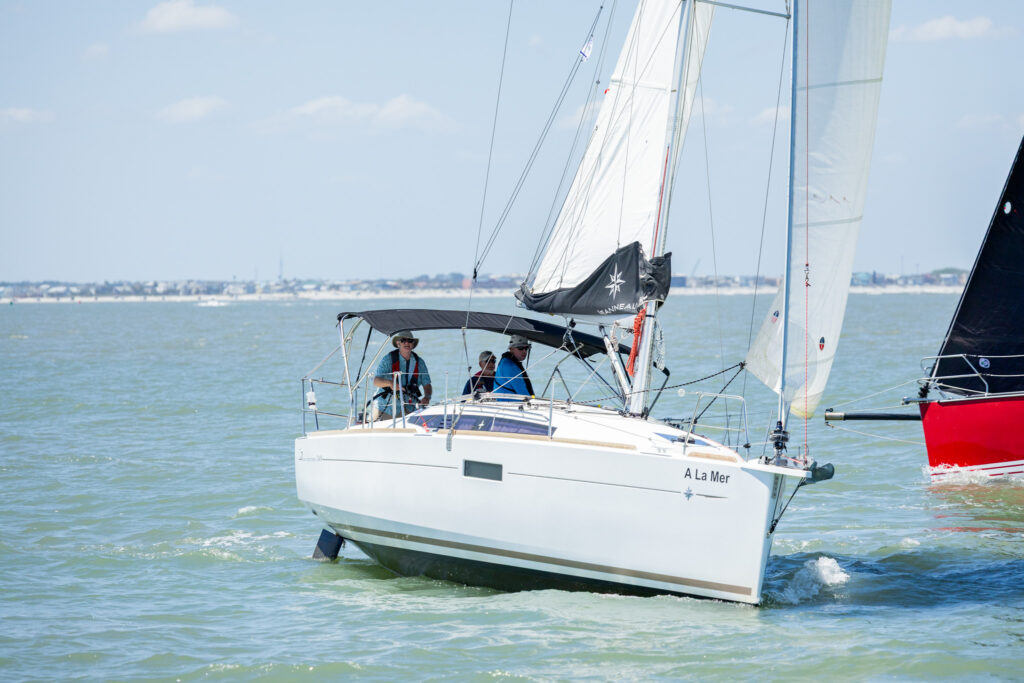
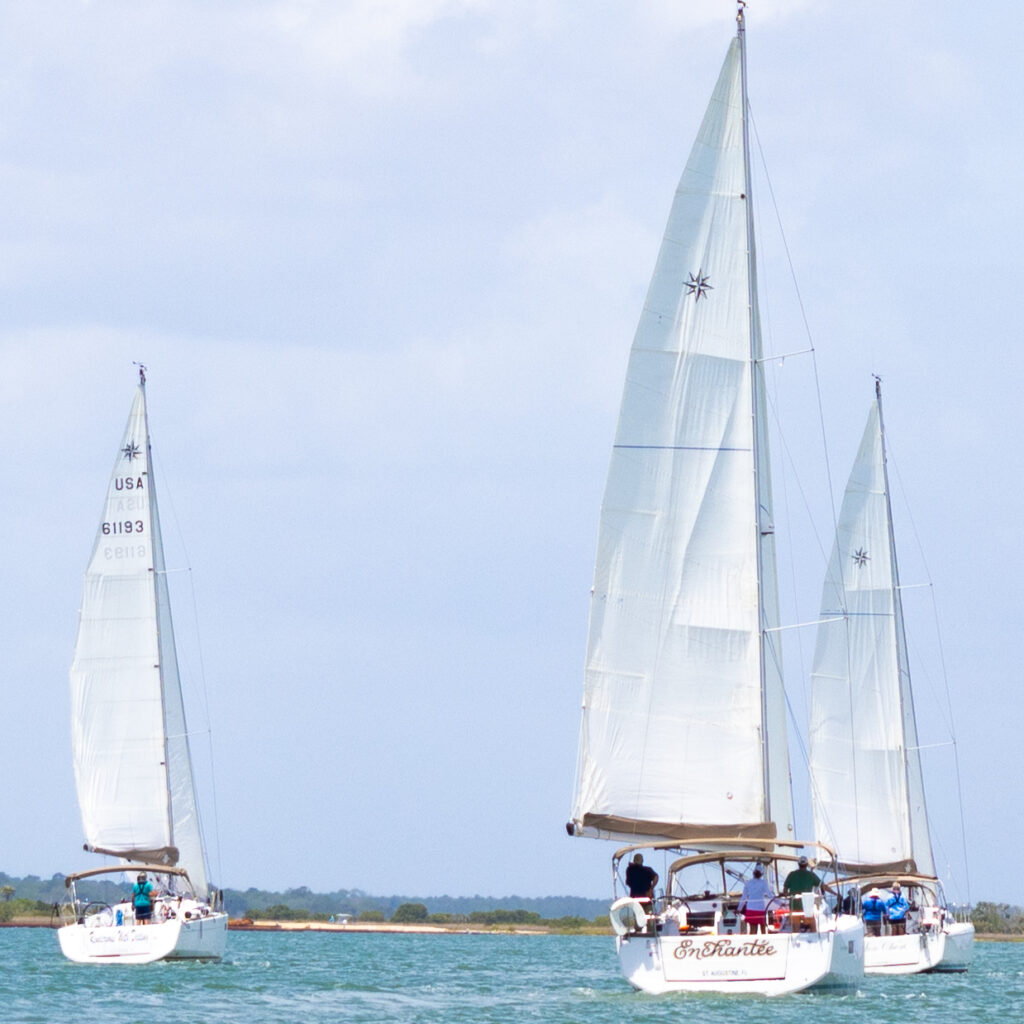
Our location gives students access to protected waters, the Intracoastal Waterway, tidal rivers and waterways, the St. Augustine Inlet, coastal waters, and the Atlantic Ocean.
That doesn’t mean every student or every course will experience every envromnent. Course objectives, student experience, weather, sea conditions, and safety will always help determine where training takes place.
What it does mean is that as your sailing education progresses, there are opportunities to continue developing your skills in an enviroment where tides, currents, changing winds, navigation, vessel traffic, and coastal conditions are part of real-world sailing.
You aren’t simply learning sailing terminology. You’re learning to apply your knowledge on the water.
Your Sailing Education Doesn't Have to End with ASA 101
Earning your first sailing certification is an accomplishment, but it can also be the beginning of your sailing journey.
After learning the fundamentals, continued education and time on the water help turn newly learned skills into experience and confidence.
St Augustine Sailing provides opportunities to continue progressing through additional sailing instruction and advanced certifications as your skills and goals grows
(ASA103 / ASA104 / ASA105 / ASA106/ ASA114 / ASA 118)
Perhaps you want to become more comfortable docking. Maybe you want traditonal practice before chartering a sailboat on vacation. You may want to learn coastal cruising and navigation, become comfortable handling larger vessels, prepare for boat ownership, or eventually pursue more advanced sailing adventures. Maybe you want to become a licensed boat Captain or Instructor.
There isn’t one path every sailor has to follow. Your sailing education can grow with you.
How do I Keep Sailing If I Don't Own a Boat?
This is one of the biggest questions new sailors face after completing a course:
It’s exactly why we created the St. Augustine Sailing Crew Program.
St Augustine Sailing Crew Program
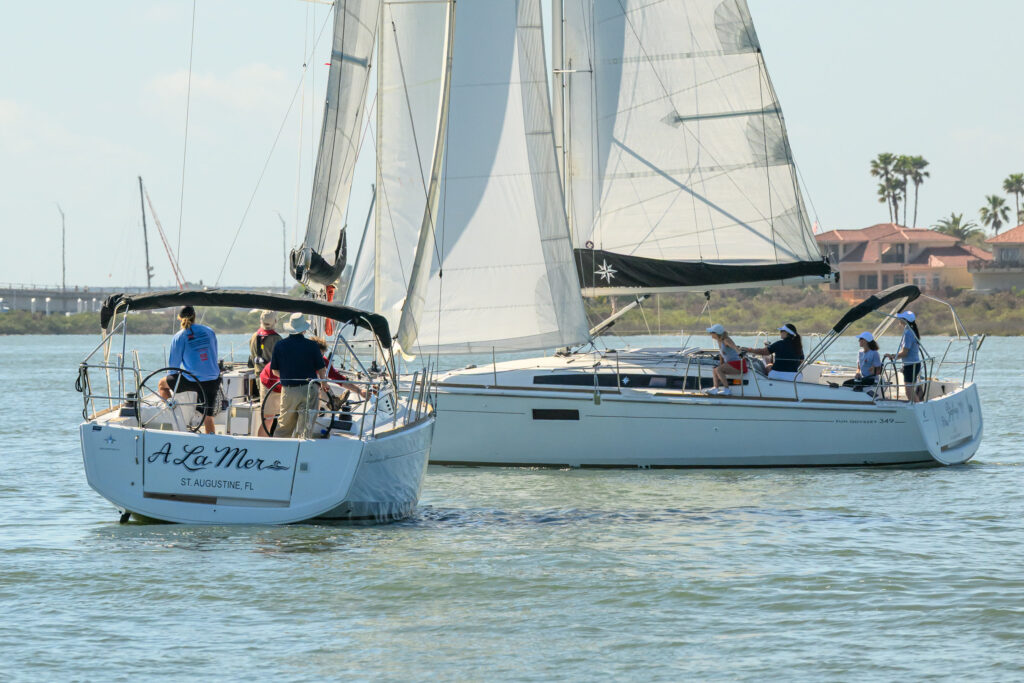
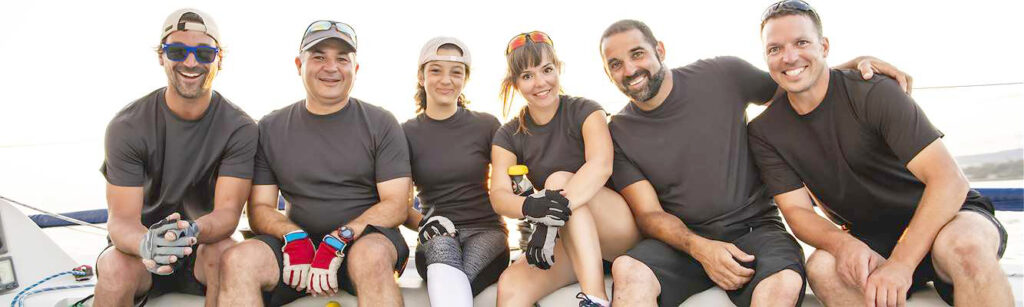
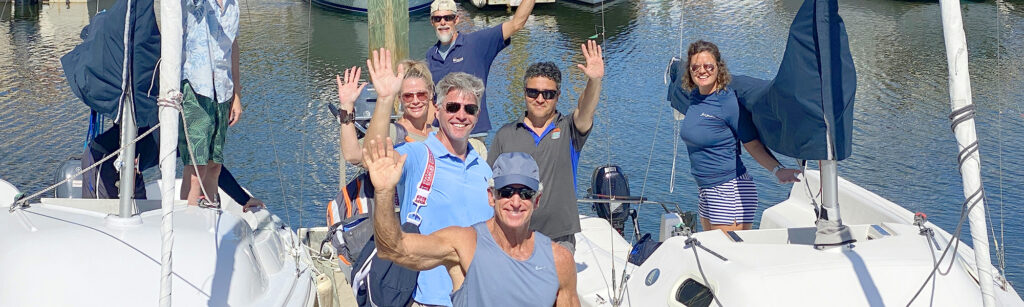
Our Crew Program is designed to provide an affordable way to continue your sailing education, gain more time on the water, practice the skills you’ve already learned, and continue developing new ones, all without having to own a sailboat.
Completing a sailing course gives you an important foundation, but becoming a confident sailor takes practice.
Skills such as sail trim, steering, tacking, jibing, docking, navigation, crew communication, and decision-making become more natural through repetition and experience.
The Crew Program helps bridge the gap between taking sailing lessons and becoming an experienced sailor.
Rather than completing a certification and then waiting months for another opportunity to sail, Crew Program participants can continue getting on the water, learning alongside other sailors, practicing previously learned skills, and gaining additional experience in a supportive environment.
Just as importantly, continued education doesn’t always have to mean enrolling in another full certification course. The Crew Program provides an affordable opportunity to keep learning through practical experience and additional time aboard a sailboat.
As your abilities grow, so can your role aboard the boat. You can continue practicing the fundamentals while developing greater situational awareness, stronger boat-handling skills, better crew communication, and more confidence in the decisions you make on the water.
For some sailors, the Crew Program may be a stepping stone toward advanced certifications. For others, it may help prepare them for chartering, sailing club membership, or future boat ownership. And for some, it’s simply an affordable way to keep sailing, learning, and enjoying time on the water.
Because earning your certification shouldn’t be the end of your sailing education. It should be the beginning of what comes next.
Frequently Asked Questions
How much does it costs to learn to sail?
The cost of learning to sail depends on the type of instruction, location, and certification goals. Introductory lessons are typically the most affordable option, while comprehensive certification programs require a larger investment but provide more in-depth training.
Do I need to own a sailboat before taking lessons?
No. Professional sailing schools provide the boats, safety equipment, and instruction you need to begin learning.
How many lessons does a beginner need?
Everyone learns at a different pace and have different goals. Many people gain confidence after a beginner course, while others continue into advanced training to develop additional skills and earn certifications based on their sailing goals.
Is sailing difficult to learn?
Sailing has a learning curve, but with professional instruction and regular practice, most beginners quickly develop the confidence needed to safely enjoy time on the water.
What should I wear to sailing lessons?
Comfortable clothing, non-marking shoes, sunglasses, sunscreen, and a hat are usually all that’s needed for beginner lessons. Your sailing school will let you know if additional gear is recommended.
Is sailing safe for beginners?
Yes. Learning with qualified instructors on well-maintained training boats is one of the safest ways to begin sailing. Safety procedures are incorporated into every lesson.
Can I learn to sail at any age?
Absolutely. Sailing is enjoyed by people of all ages, and many adults begin learning later in life. A willingness to learn and spend time on the water is far more important than age.
How can I keep practicing after sailing lessons if I don't own a boat?
You don’t need to own a sailboat to continue building your skills. St. Augustine Sailing’s Crew Program was created to provide an affordable way for sailors to continue their education, gain valuable time on the water, and practice the skills they’ve learned after completing their sailing courses.
Through continued hands-on experience, participants can practice skills such as sail trim, boat handling, docking, navigation, crew communication, and decision-making while continuing to learn alongside other sailors.
The Crew Program helps bridge the gap between earning a sailing certification and developing the experience and confidence to become a more capable sailor. It can also help prepare you for advanced sailing courses, chartering, sailing club membership, or eventually owning your own boat.
Set Sail with Confidence
The cost of learning to sail is often far less than people imagine. You don’t need to purchase a boat, invest in expensive equipment, or have prior experience before taking your first lesson. Instead, you can begin with professional instruction, build your confidence step by step, and discover whether sailing is a lifelong passion.
For many people, learning to sail becomes much more than acquiring a new skill. It becomes a gateway to unforgettable adventures, meaningful friendships, family memories, and a deeper appreciation for life on the water.
If you’ve been thinking about learning to sail, there’s no better time to get started. The first lesson could be the beginning of a lifelong journey and St. Augustine Sailing is ready to help you take that first step.
For more information contact us today and follow us on social media @StAugustineSailing.